

Our History
Founding of Blackwell
Much like many of Britain’s historic golf clubs, Blackwell was founded during the game’s late-19th-century expansion, established in 1893 by five local businessmen who secured 49 acres on which to lay out a simple nine-hole course.
The land proved ideally suited to golf. Its gently rolling terrain and naturally sandy soil provided excellent drainage, qualities that continue to define the year-round condition of the course today.
In its early years, Blackwell quickly established a reputation for fine amateur golf, hosting exhibition matches and fostering a culture rooted in both camaraderie and the quiet enjoyment of the game.
A Colt-Nine Hole Course
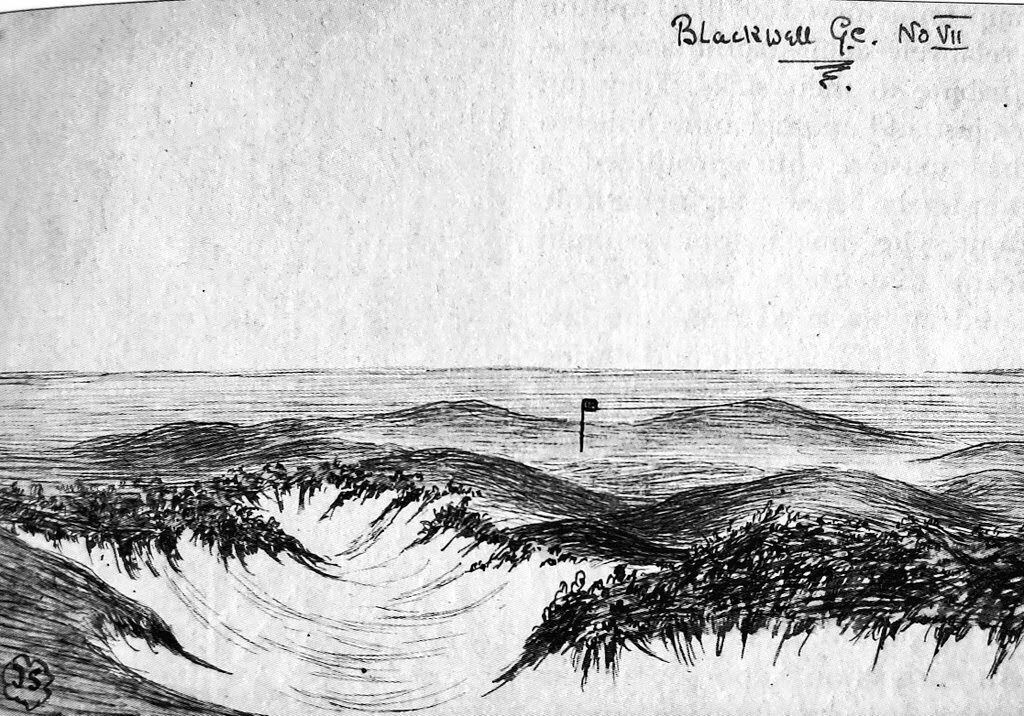
In 1913, as golf course design continued to evolve across the country, Harry Shapland Colt was commissioned to improve Blackwell’s nine-hole course.
More recently, golf historian Simon Haines and course architect Joe McDonnell of McDonnell & Cooper have helped uncover elements of that original routing, along with areas of the course that remain intact today. These findings are explored in a recent film documenting the lost Colt routing.
Watch The Film ►'18 Holes'
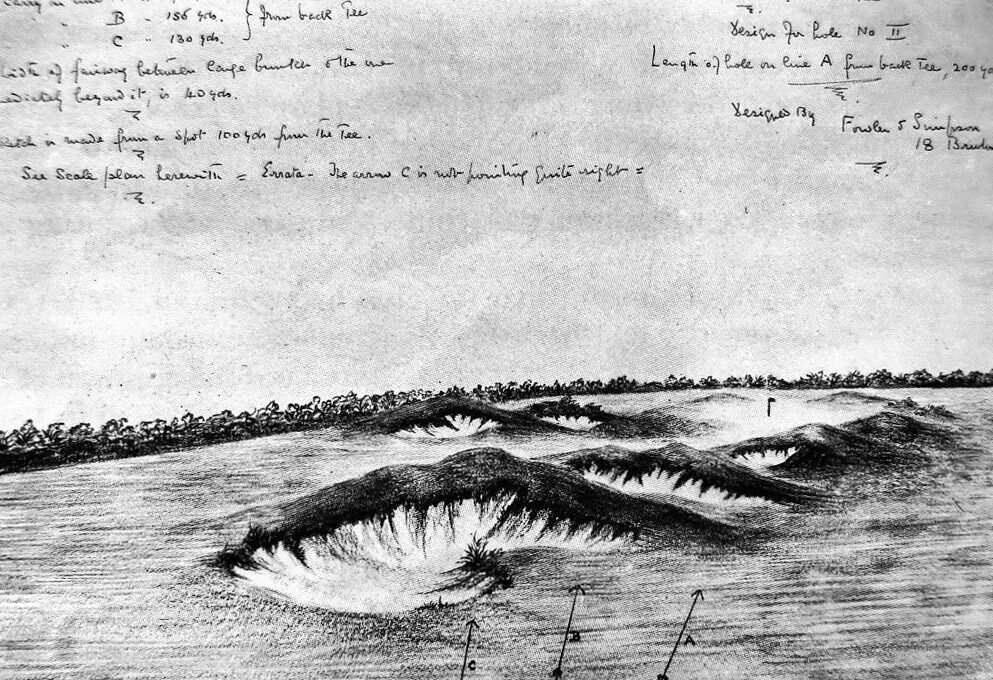
On 4th August 1923, Blackwell’s newly extended 18-hole course was formally reopened. Tom Simpson & Herbert Fowler were credited with the work, however all evidence suggests that Tom Simpson was the most significant force behind the design.
What was achieved on a relatively modest acreage remains a testament to their skill, and one of only a small number of collaborations the pair built during their partnership.
Tom Simpson
Simpson, whose early architectural thinking was shaped by the work at Woking Golf Club, would go on to become one of the game’s most influential advocates for strategic design. His work extended across some of the most admired courses in Britain and Europe, including Golf de Morfontaine, where his principles found their purest expression.
Writing during the boom years of the 1920s, often described as golf’s ‘Golden Age’, his ideas helped define a more thoughtful and considered approach to the game. His book, The Architectural Side of Golf, co-authored with H. N. Wethered and published in 1929, remains an enduring statement of that philosophy: a course should reward judgement and imagination, not simply strength. The work was later reissued in 1952 under the title Design for Golf.
Herbert Fowler
William Herbert Fowler was responsible for the design of Walton Heath Golf Club, along with a number of notable courses across the UK, including Beau Desert, Delamere Forest and Saunton. In the United States, his work included Bethpage Black Course, as well as changes to the 18th hole at Pebble Beach Golf Links in 1922.
He believed courses should sit naturally within the landscape, following the contours of the land and avoiding unnecessary artifice. In his view, the natural ground was more than capable of testing even the finest golfers.
Bernard Darwin described him as “perhaps the most daring and original of all golfing architects, and gifted with an inspired eye for the possibility of a golfing country”.
Exhibition Matches
Blackwell has long enjoyed a strong reputation within amateur golfing circles, welcoming many distinguished figures from both the amateur and professional game. Among them was Dr William Tweddell, an honorary member and one of the finest amateurs of his generation.
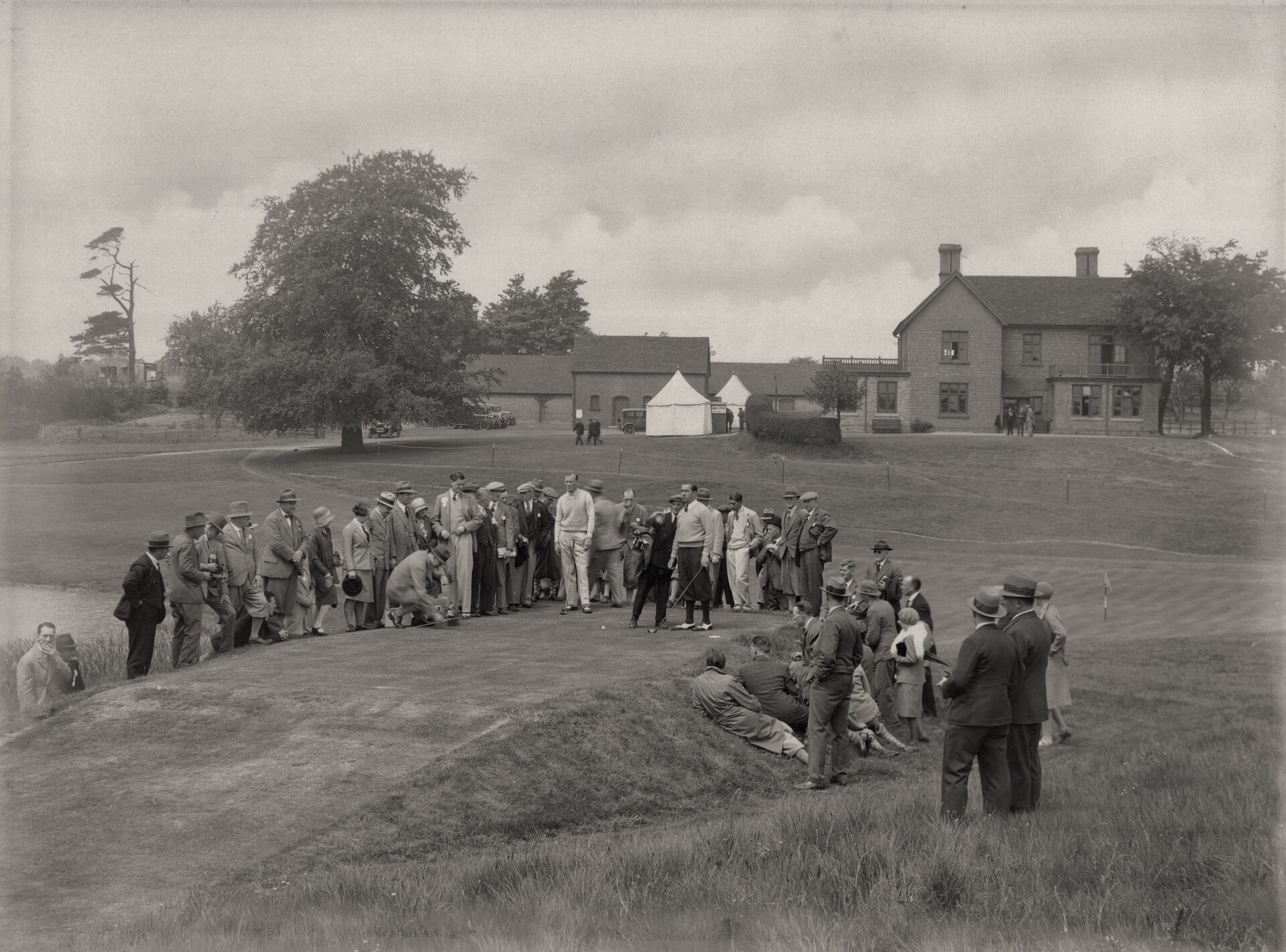
Like many of the leading clubs of the era, Blackwell became known for hosting exhibition matches, which played an important role in supporting the professional game in its formative years.
In 1929, before a crowd of more than 2,000 spectators, Walter Hagen defeated Archie Compston over 36 holes, just two weeks after his Open Championship victory at Muirfield.
The Grand Slam Year
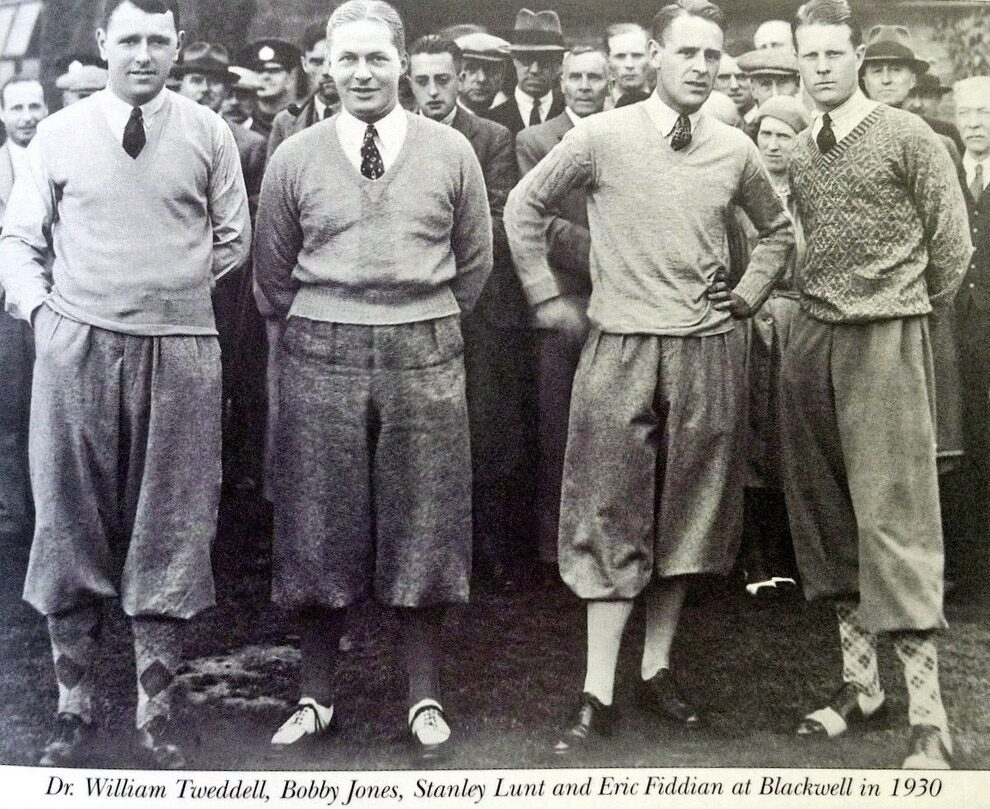
Most notably, Blackwell welcomed Bobby Jones in 1930, the day after his Open Championship victory at Royal Liverpool Golf Club, before his return to the United States to complete the celebrated Grand Slam later that summer at Interlachen and Merion.
The match honoured a long-standing commitment between Jones and Dr William Tweddell, formed following their meeting in the 1928 Walker Cup, as they faced the local pairing of Stanley Lunt and Eric Fiddian.
Our association with the events of 1930, modest though it may be, remains a source of great pride for Blackwell and its members.
Sandy Lyle
More recently, Blackwell counts Sandy Lyle MBE, winner of the 1985 Open Championship and the 1988 Masters, among its honorary members, having played much of his early golf at the club.
Founding of Blackwell
Much like many of Britain’s historic golf clubs, Blackwell was founded during the game’s late-19th-century expansion, established in 1893 by five local businessmen who secured 49 acres on which to lay out a simple nine-hole course.
The land proved ideally suited to golf. Its gently rolling terrain and naturally sandy soil provided excellent drainage, qualities that continue to define the year-round condition of the course today.
In its early years, Blackwell quickly established a reputation for fine amateur golf, hosting exhibition matches and fostering a culture rooted in both camaraderie and the quiet enjoyment of the game.
A Colt-Nine Hole Course
In 1913, as golf course design continued to evolve across the country, Harry Shapland Colt was commissioned to improve Blackwell’s nine-hole course.
More recently, golf historian Simon Haines and course architect Joe McDonnell of McDonnell & Cooper have helped uncover elements of that original routing, along with areas of the course that remain intact today. These findings are explored in a recent film documenting the lost Colt routing.
Watch The Film ►'18 Holes'
On 4th August 1923, Blackwell’s newly extended 18-hole course was formally reopened. Tom Simpson & Herbert Fowler were credited with the work, however all evidence suggests that Tom Simpson was the most significant force behind the design.
What was achieved on a relatively modest acreage remains a testament to their skill, and one of only a small number of collaborations the pair built during their partnership.
Tom Simpson
Simpson, whose early architectural thinking was shaped by the work at Woking Golf Club, would go on to become one of the game’s most influential advocates for strategic design. His work extended across some of the most admired courses in Britain and Europe, including Golf de Morfontaine, where his principles found their purest expression.
Writing during the boom years of the 1920s, often described as golf’s ‘Golden Age’, his ideas helped define a more thoughtful and considered approach to the game. His book, The Architectural Side of Golf, co-authored with H. N. Wethered and published in 1929, remains an enduring statement of that philosophy: a course should reward judgement and imagination, not simply strength. The work was later reissued in 1952 under the title Design for Golf.
Herbert Fowler
William Herbert Fowler was responsible for the design of Walton Heath Golf Club, along with a number of notable courses across the UK, including Beau Desert, Delamere Forest and Saunton. In the United States, his work included Bethpage Black Course, as well as changes to the 18th hole at Pebble Beach Golf Links in 1922.
He believed courses should sit naturally within the landscape, following the contours of the land and avoiding unnecessary artifice. In his view, the natural ground was more than capable of testing even the finest golfers.
Bernard Darwin described him as “perhaps the most daring and original of all golfing architects, and gifted with an inspired eye for the possibility of a golfing country”.
Exhibition Matches
Blackwell has long enjoyed a strong reputation within amateur golfing circles, welcoming many distinguished figures from both the amateur and professional game. Among them was Dr William Tweddell, an honorary member and one of the finest amateurs of his generation.
Like many of the leading clubs of the era, Blackwell became known for hosting exhibition matches, which played an important role in supporting the professional game in its formative years.
In 1929, before a crowd of more than 2,000 spectators, Walter Hagen defeated Archie Compston over 36 holes, just two weeks after his Open Championship victory at Muirfield.
The Grand Slam Year
Most notably, Blackwell welcomed Bobby Jones in 1930, the day after his Open Championship victory at Royal Liverpool Golf Club, before his return to the United States to complete the celebrated Grand Slam later that summer at Interlachen and Merion.
The match honoured a long-standing commitment between Jones and Dr William Tweddell, formed following their meeting in the 1928 Walker Cup, as they faced the local pairing of Stanley Lunt and Eric Fiddian.
Our association with the events of 1930, modest though it may be, remains a source of great pride for Blackwell and its members.
Sandy Lyle
More recently, Blackwell counts Sandy Lyle MBE, winner of the 1985 Open Championship and the 1988 Masters, among its honorary members, having played much of his early golf at the club.